
Fresh insights from new research shaping Africa’s food systems, resilience, and economic development

Key Insight of the Week
Strengthening agrifood value chains under multiple shocks
Violent conflict and extreme weather events increasingly disrupt agrifood markets across parts of Africa. But which policy responses do market actors themselves see as most effective?
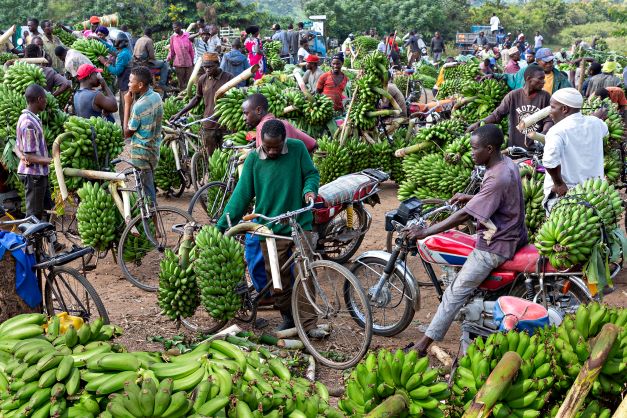
A recent study by IFPRI examines the preferences of maize wholesalers in #Nigeria regarding policies to prevent or mitigate the effects of conflict and weather shocks on their trade. Drawing on survey data from 300 wholesalers across major maize markets in Kaduna, Kano, Katsina, Plateau, and Oyo states, the research evaluates how traders rank different policy options.
Featured Report of the Week
Addressing conflict and weather shocks in agrifood value chains: Policy preferences of Nigerian maize wholesalers
Key findings include:
- Strong preference for road security measures to address conflict-related disruptions
- High support for flood-proofing infrastructure to mitigate weather shocks
- Broad value placed on cash relief following shocks
- Differences in priorities across groups, with women wholesalers placing greater emphasis on public infrastructure and more educated traders favoring market-based solutions such as insurance and loans
These results highlight the importance of tailored policy responses that reflect both the types of shocks affecting value chains and the characteristics of the market actors involved. Read the study [Link]
Other Recent Publications
- “If you want to have sex you can, if you don’t, you don’t have to”: A qualitative evaluation of the Unite for a Better Life couples program to prevent intimate partner violence in rural Ethiopia
- Beyond blame: Migration’s limited role in Madagascar’s deforestation
- Can digital cash transfers serve those in active conflict zones?
- How do migrants fare in Africa’s urban labour markets?
- IFPRI Malawi maize market report, February 2026
- Inter‐group cooperation and conflict. Experimental evidence from Yemen
- Sudan: How warring factions gained influence in the country’s food system – and what it means for the current conflict
- The future in mind: Aspirations and long-term outcomes in rural Ethiopia
- The making of a non-parametric multi-shock index (MSI)
About Evidence for Africa
Evidence for Africa highlights every week recent IFPRI research and insights relevant to the continent’s food systems, economic development, and policy priorities.