Country and Regional Offices


What’s New
-
Beyond Jobs: What It Takes to Make Kenya’s Agrifood Value Chains Work for Young People
IFPRI Blog: Event Post | Africa Region Office Key takeaways Kenya’s agrifood systems hold significant potential to create employment for the youth. However, increasing job numbers is just one aspect of the challenge. For young people to view agriculture as a viable pathway to a better future, the work must also offer stable income, respect,…
-

The grinder in the room: what happens when machines arrive in the jobs young women are trusted to do
IFPRI Blog: Research Post By Audrey Mandi, based on research by Hauwa Kabir, Emily Myers, Chibuzo Nwagboso, Salisu Alhassan, Olufemi Popoola, Jessica Heckert, and Kalyani Raghunathan Key takeaways: This post is based on research that is not yet peer-reviewed. A woman in Sokoto who processes soybeans was asked a simple question: could she teach a…
-
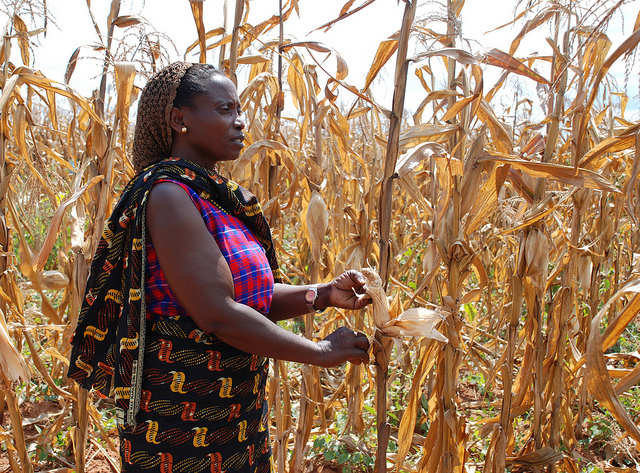
Who Gains When a Major Buyer Requires Sourcing from Smallholders? Evidence from Uganda’s Maize Market
IFPRI Blog: Research Post By Gashaw T. Abate, Serge Mugabo, Kalyani Raghunathan, Bjorn Van Campenhout and Audrey Lulu Mandi. Key takeaways: Economists have long argued that a committed buyer who creates a demand sink can be a powerful force for development. The export-led growth of East Asia was, at its core, a story of demand…
-

Steven Were Omamo elected President of the African Association of Agricultural Economists
Nairobi, Kenya | September 25 2026 The International Food Policy Research Institute (IFPRI) is pleased to announce that Steven Were Omamo, IFPRI Director for Africa and Director, Development Strategies and Governance, has been elected President of the African Association of Agricultural Economists (AAAE). Omamo was elected during the 8th African Conference of Agricultural Economists (ACAE),…
-
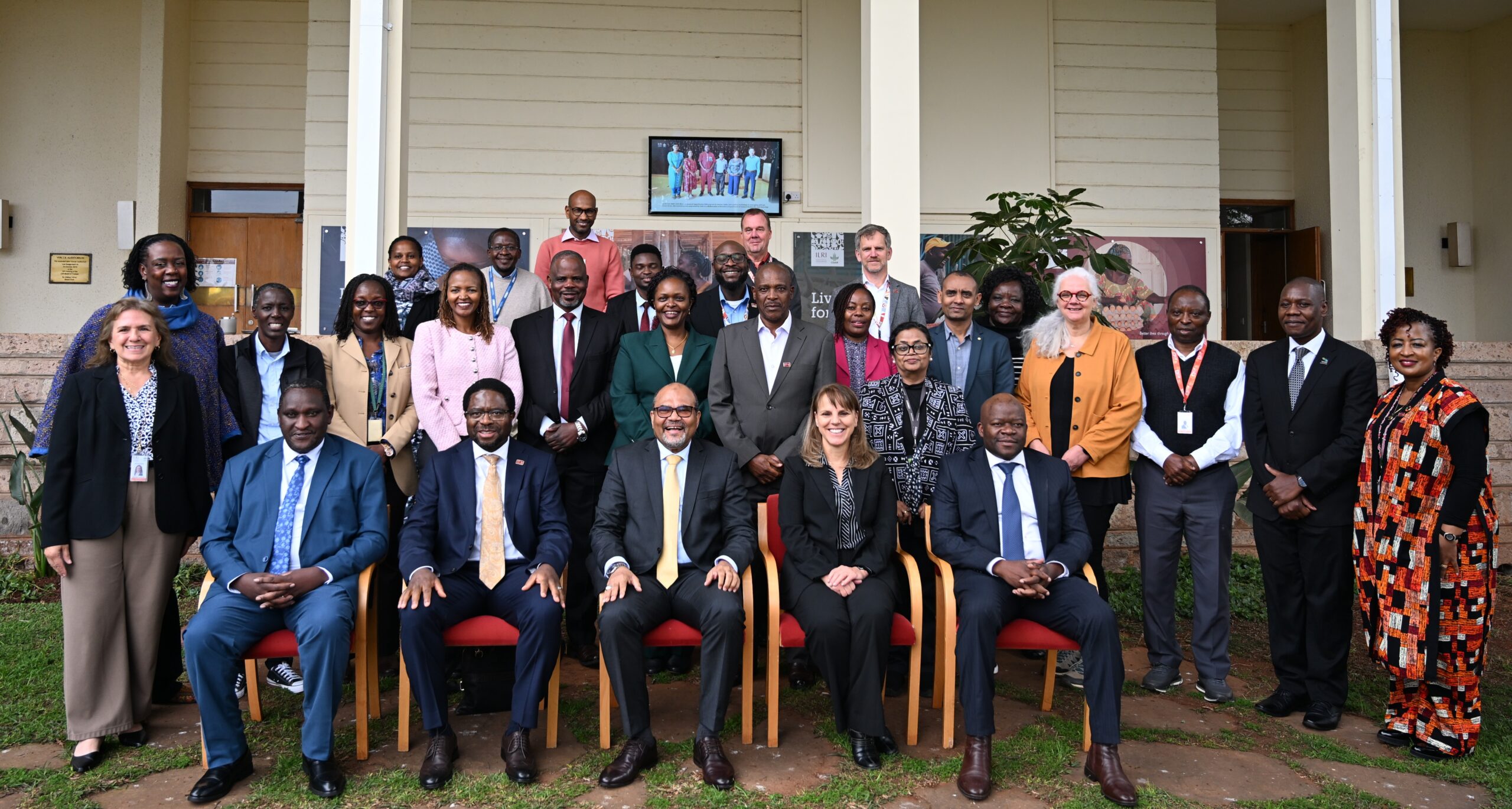
Kenya and CGIAR Strengthen Partnership to Advance Science, Research, and Innovation
Kenya and CGIAR Strengthen Partnership to Advance Science, Research, and Innovation By Sokhna Sall Seck On August 4th, the International Livestock Research Institute (ILRI) hosted Kenya’s Principal Secretary, State Department for Science, Research and Innovation, Prof. Shaukat Abdulrazak, for a high-level visit to its Nairobi campus, bringing together government representatives and CGIAR research centers to…
-
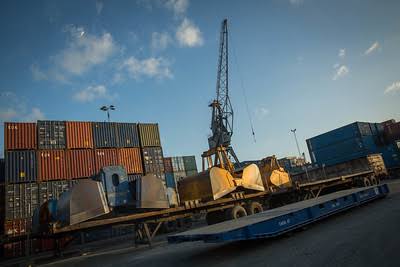
The AfCFTA’s Missing Ingredient Isn’t Lower Tariffs. It’s Better Roads
By Fousseini Traoré, Pierre Mamboundou, Insa Diop, Abdourahmane Sy, and Audrey Lulu Mandi. IFPRI Blog: Research Post Key takeaways: • Modelling the African Continental Free Trade Area’s realistic tariff-cutting scenario shows barely noticeable effects on GDP, wages, and poverty, mainly because most African trade already occurs under existing regional preferences, so continent-wide protection barely changes.…
Events
-
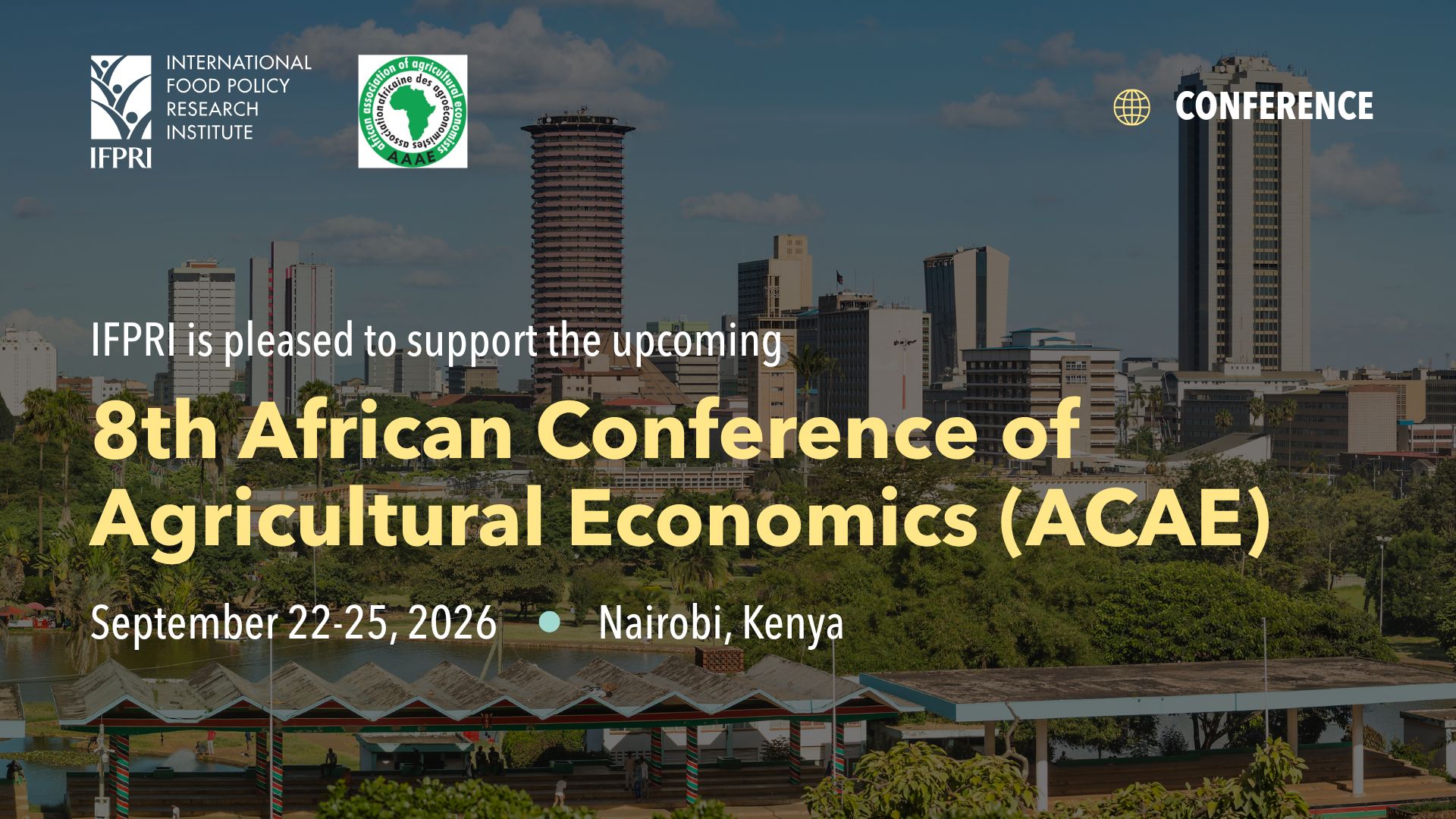
8th African Conference of Agricultural Economists (ACAE)
Smart Agriculture: Innovation, Digital Transformation, and Trade for a Climate-Challenged Africa Co-organized by IFPRI and the African Association of Agricultural Economists (AAAE) Mövenpick Hotel, Westlands Nairobi, Kenya September 22 to 25, 2026 IFPRI is pleased to support the upcoming 8th African Conference of Agricultural Economists (8th ACAE), scheduled for 22–25 September 2026 at the Mövenpick Hotel…
-
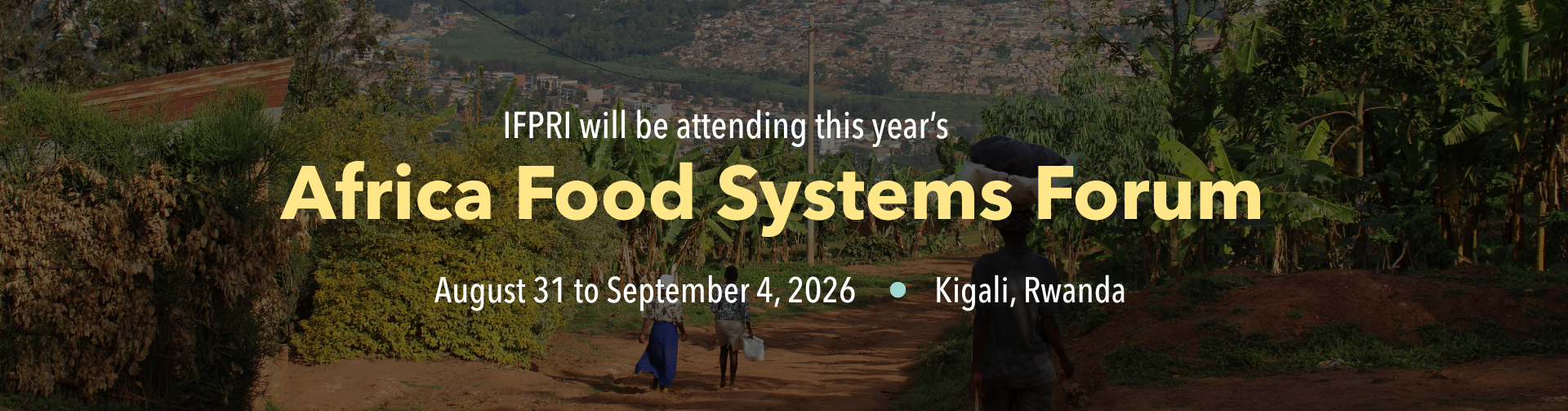
African Food Systems Forum (AFSF) 2026
Investing in Africa’s Agri-Food Systems: Nourishing Nations, Growing Jobs, Building Resilience Kigali Convention Centre Kigali, Rwanda August 31 to September 4, 2026 The Africa Food Systems Forum (AFSF) will host its 20th Annual Summit in Kigali, Rwanda from 31 August to 4 September 2026, under the theme “Investing in Africa’s Agri-Food Systems: Nourishing Nations, Growing Jobs,…
-
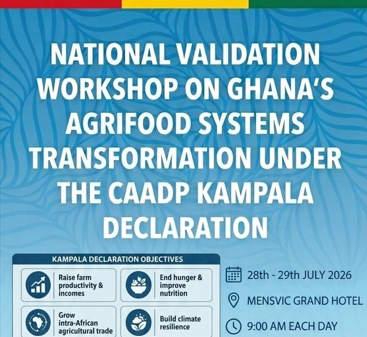
National and Inclusive Two-Day Workshop on Ghana’s Agrifood Systems Transformation under the Kampala Declaration
Event: National Validation Workshop on Ghana’s Agrifood Systems Transformation under the CAADP KampalaDeclaration Organized by IFPRI and partners Date 28th – 29th July 2026Venue: Mensvic Grand Hotel, Accra, Ghana Ghana enters the Kampala Declaration implementation period with strong institutional foundations, extensive experience with the Comprehensive Africa Agriculture Development Programme (CAADP), and well-established systems for agricultural…
Research Areas
IFPRI’s work is built around five key research areas that address Africa’s most critical food policy issues. All of IFPRI’s research work also integrates gender. IFPRI pursues many of its core research themes with the support of partners and through the CGIAR research programs to contribute evidence for country- and region-led policies and programs.